01
Share of Shelf
Where you rank against the category on the retailers that matter — by review volume, content volume, ad presence, and price.
AdForge reads 30 live sources — retailer reviews, TikTok and Reddit comments, YouTube creators, competitor ad libraries, listings, and search demand — and synthesizes them into a sourced, decision-ready report on your category. Every claim footnotes the data that produced it.
No signup on the sample — real format, real sourcing, fictional brand.
“If you are not a fan of honey, it isn't a good choice. There is a strong taste and smell of honey that you need to acquire a taste…”
“I added unsweetened organic cocoa to my morning drink,…”
Illustrative source rows — the comment layer most tools count instead of read
Most “consumer insight” tools count mentions. AdForge reads the comment. Amazon and Walmart reviews, Trustpilot, Google Maps and Yelp, TikTok and Instagram comments, Reddit threads, YouTube creators, the Meta Ad Library, Google Shopping — de-duplicated, classified paid vs. organic, recency-weighted, and scored for relevance before analysis begins.
Two depths: an Essential Briefing for a directional read in under twenty minutes, or a Deep Research audit end-to-end in thirty to forty-five. Recommendations are capped at five, and each one carries a budget, a timeline, and a success metric.
live data sources
report sections
minutes, deep audit end-to-end
What comes out
Sell through Amazon, Walmart, Target, or a thousand independent doors and the honest version of your customer’s opinion lives somewhere you can’t query. It’s in a one-star review, a TikTok comment thread, a Reddit recommendation post.
AdForge reads all of it — and reads the shelf around you at the same time.
Where you rank against the category on the retailers that matter — by review volume, content volume, ad presence, and price.
What is actually wrong with your product pages, ranked.
Whether sentiment is moving, and which direction, across eighteen months of review history.
Category search demand — so you know whether a soft quarter was you or the market.
What the gap is worth, before you brief anyone.
Which competitor creative is actually running, and which formats and openings are working in your category.
The people already talking about the category, ranked.
The demo is the deliverable
A complete Deep Research report on a fictional brand — real format, real structure, real sourcing, footnotes intact. No signup, no form, no call first.
Open the sample reportEvery research engagement you’ve bought ended the same way: a deck, and then a month of someone translating it into a brief. AdForge doesn’t hand off. The same report becomes personas, audience specs, and campaign creative built from the same evidence — so the insight and the asset can’t drift apart.
Demographics, psychographics, media habits, and buying triggers — built from your report, not a stock prompt. US personas are validated against Census data.
Interests, behaviors, geo, and exclusions mapped per platform for Meta, Google, LinkedIn, and TikTok. Export the CSV, paste it into the ad manager.
On Meta, interests resolve as creative messaging direction — Meta retired interest targeting in 2026. Google, LinkedIn, and TikTok stay full targeting.
Run headlines, concepts, and finished creative past the same personas the report produced. Per-persona scores, consensus, disagreement, and proposed A/B variants — exportable, and defensible in a client meeting.
You’re buying the intelligence. The campaign is what it produces.
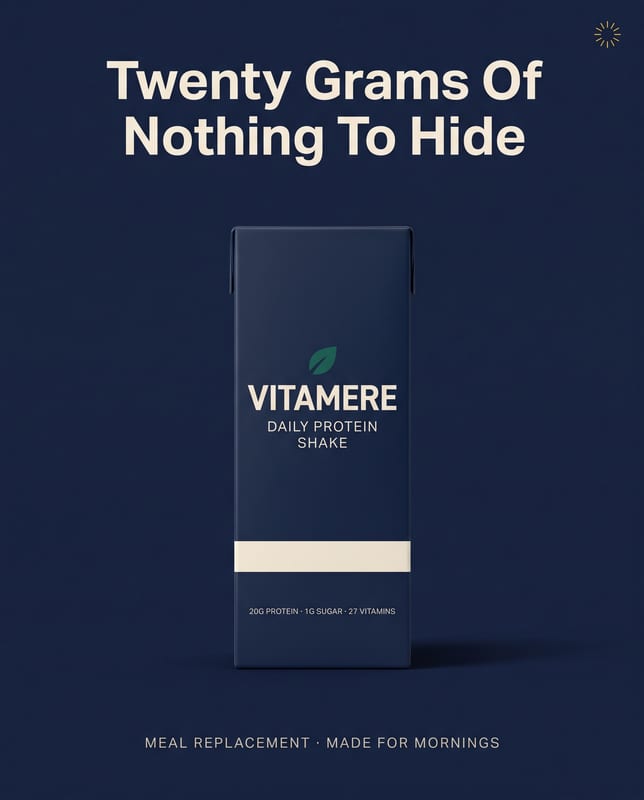
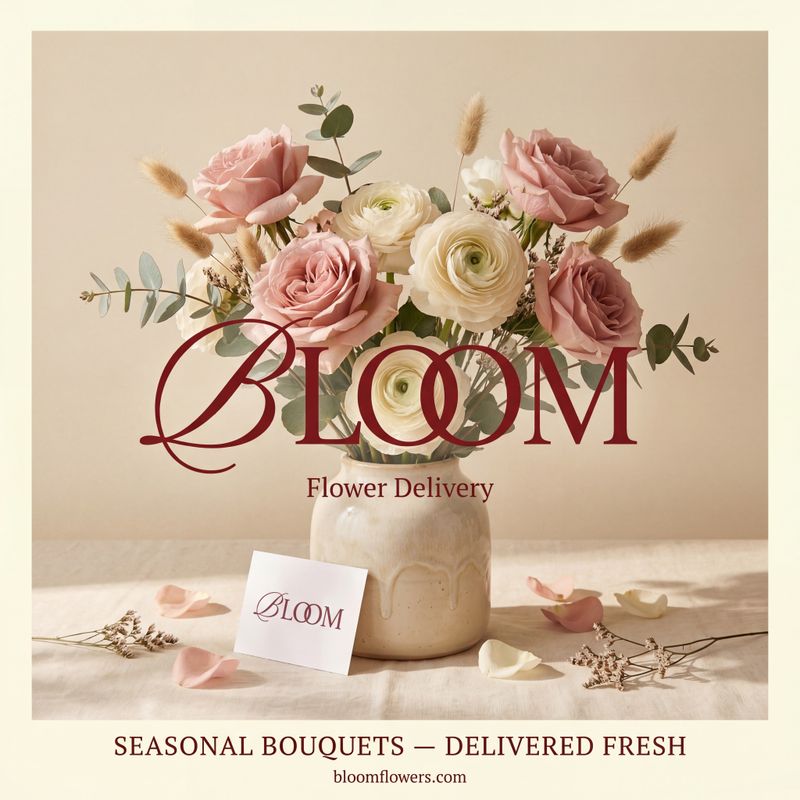
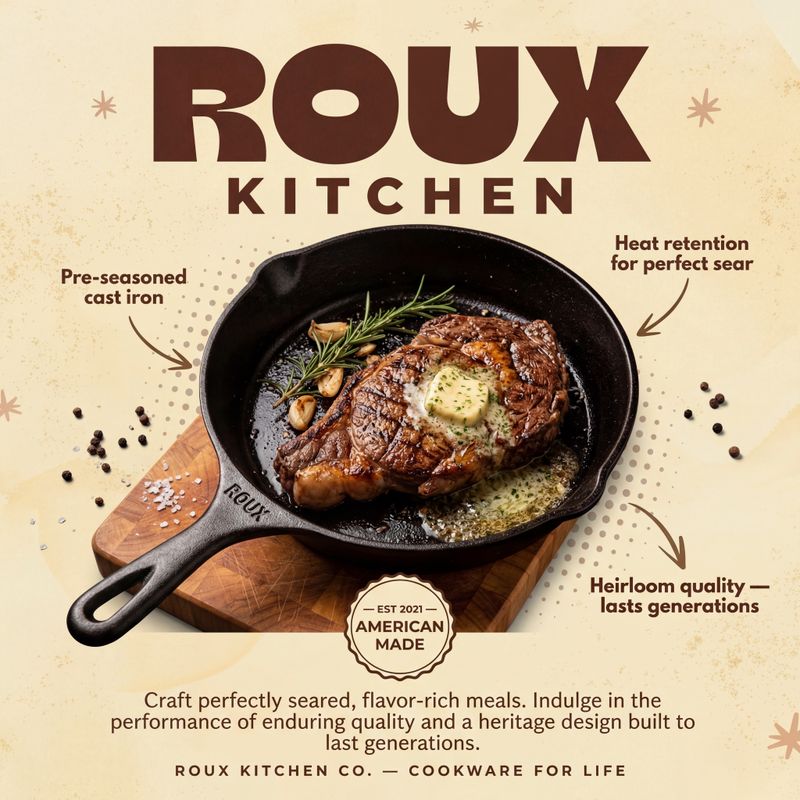
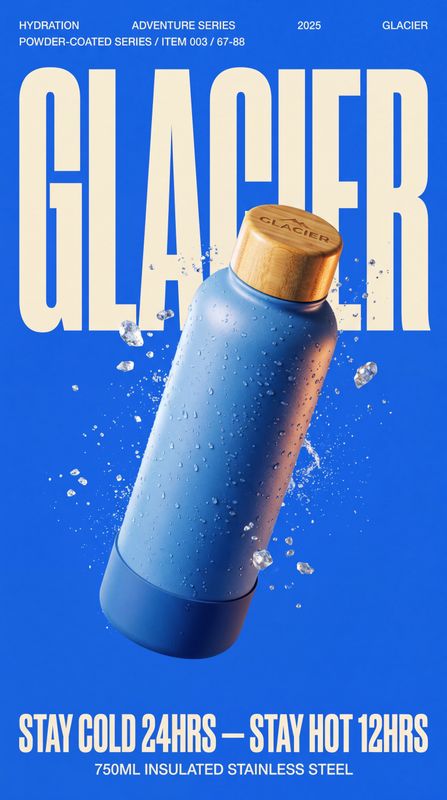
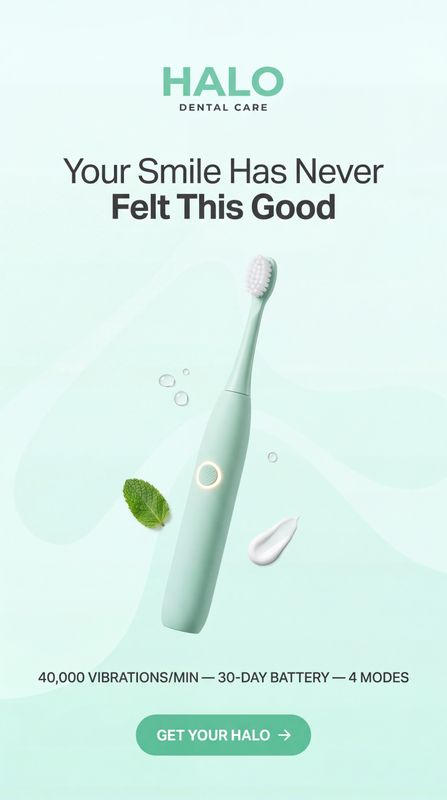
69 ad formats across four platforms, each rendered at its exact dimensions with the platform’s safe zones respected. Fictional brands, real output.

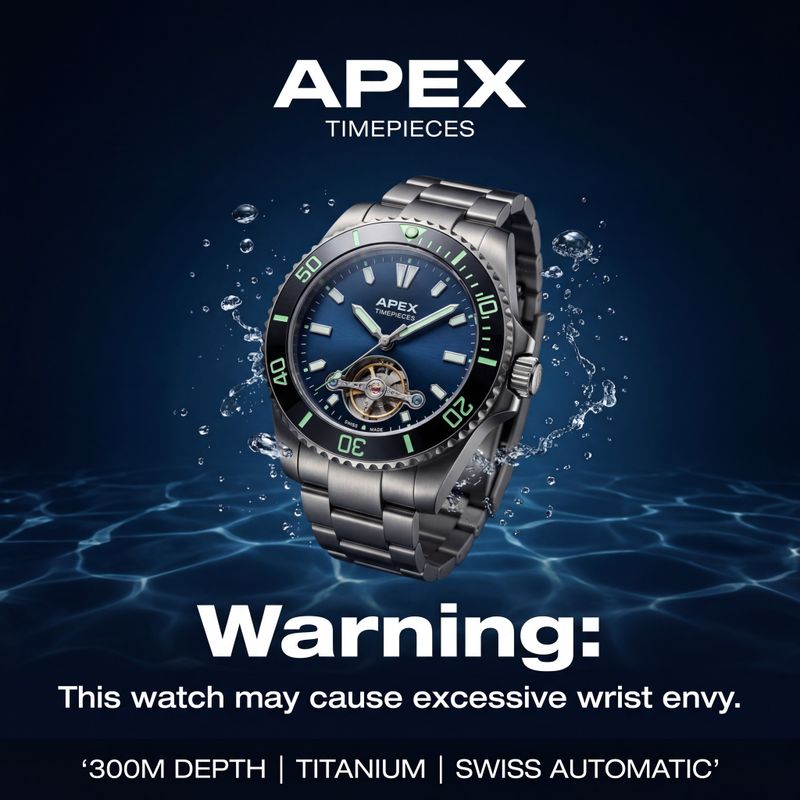
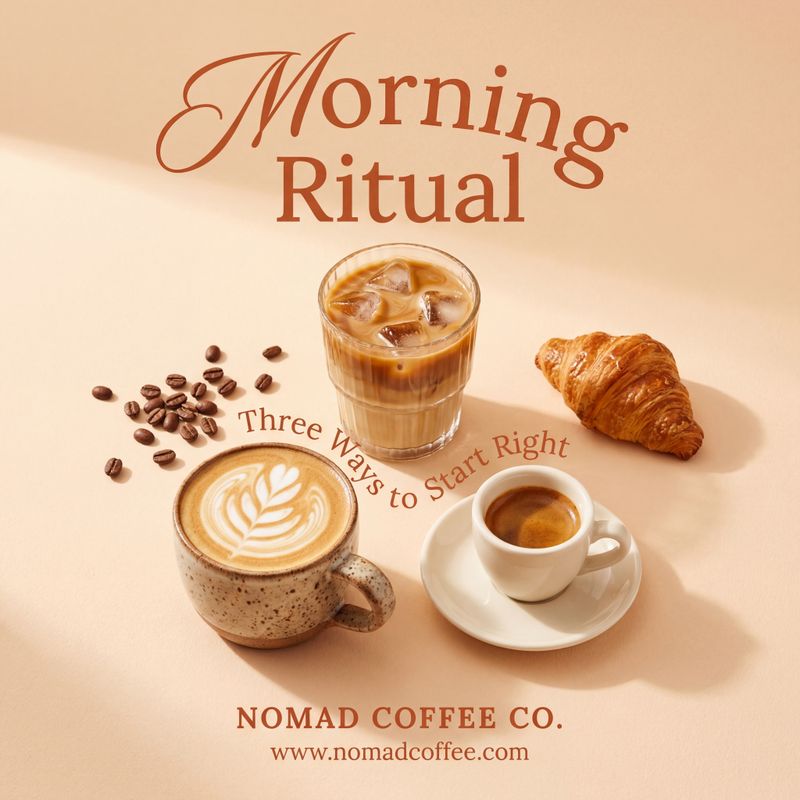

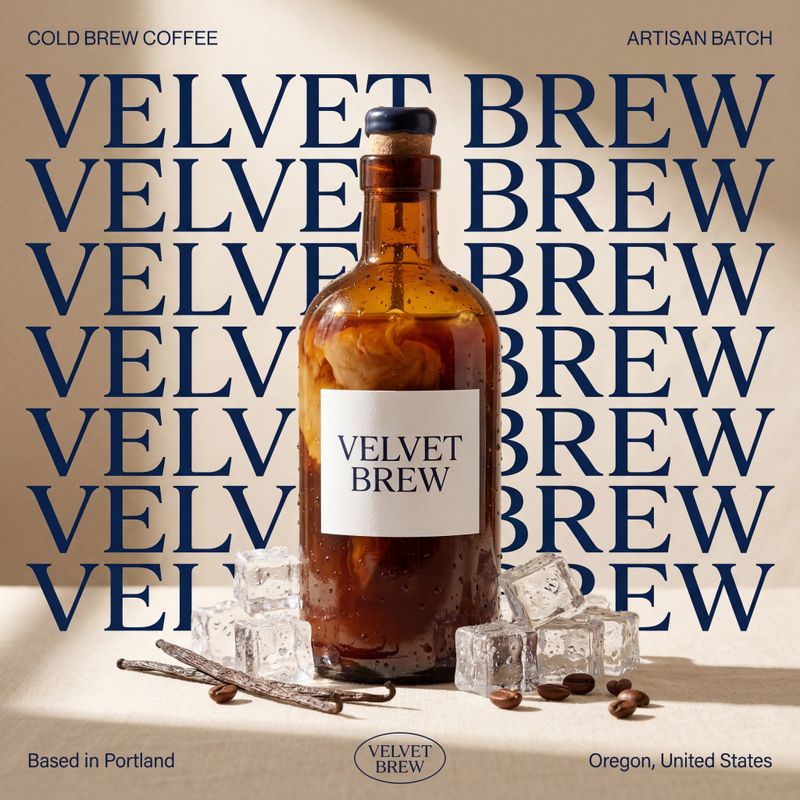



Brand-strict by default
No video in v1. We’ll add it when it’s genuinely good, not before.
Swap the model, change the product, shift a color, rewrite the headline — in plain language. Edits produce a new version rather than overwriting the one you started from, so a fourth round of client notes doesn’t cost you the version from round one.
For brand-strict work, AdForge reserves clean space during generation, then composites your exact logo file and your licensed brand typeface onto the finished image. Real pixels — not the model’s impression of them.
69 ad formats across four platforms, each rendered at its exact dimensions with the platform’s safe zones respected. No resizing, no re-cropping, no text under the UI chrome.
Most of the category sells the same thing: a prompt box wired to an image model. We built the parts an agency actually charges for — the research, the briefing, the rounds.
Every creative can be conditioned on a Deep Research report. The brief that reaches the image model carries real consumer language, a paid vs. organic split, recency-weighted hooks, and the competitor messaging gaps.
Reports footnote claims to the collection that produced them, and recommendations arrive with a budget, a timeline, and a success metric — not “the AI said so.” Nothing in the deliverable is unattributable.
Comment-level consumer intelligence sells today as enterprise social-listening software plus an analyst to read it — and it ends in a dashboard. AdForge runs that depth and hands back something client-ready with your name on it.
An ad library is a record of decisions your competitors already made. AdForge reads the comment layer underneath the category — reviews, TikTok, Reddit, YouTube — and turns it into the brief. You research the market before you spend, instead of copying ads after.
Ad-spy tools
Competitor ads they already ran
AdForge
What customers say, before you spend
Agencies & brand teams
You already sell research to your clients. This is the version that arrives as a deliverable with your name on it, across every brand you run — not a seat and an analyst’s week.
Run your whole book from a single account instead of a login per brand.
See shared competitors and category-wide movement across every brand you run.
Your logo, your accent color, on the deliverable. Hand the client something that looks like your work, because it is.
The question isn’t whether category intelligence is worth a line item — you have one. It’s what that line item currently buys you, and how long it takes to arrive.
Enterprise social listening
$12k–150k
per year, per seat
Plus an analyst to read it. Counts mentions, ends in a dashboard someone still has to turn into a brief.
Project research engagement
$15–25k
per project
Six weeks to a deck. Accurate, defensible, and out of date by the time the creative team gets it.
AdForge, Agency plan
$3,000
per month · 15 brands, 24 reports
Comment-level research on every brand in your book, in thirty to forty-five minutes each — and the personas, audiences, and creative it implies.
Ranges are the published market spread for enterprise listening seats and commissioned category research, not a quote and not a promise of savings — your displacement depends entirely on what you buy today. The AdForge figure is list price.
Every tier includes the full engine — intelligence, personas, audiences, design reviews, and creative. What changes is how many brands and how many reports.
For a brand team running one category seriously.
$1,500/month
For a book of retail and CPG accounts.
$3,000/month
For unlimited scale, dedicated support, and custom integrations.
Let’s talk
Not ready to talk? A new account gets one full Deep Research report, view-only, no card. One report — not one a month. Or just read the sample and skip the signup entirely.
Live now — new accounts welcome
Run a Deep Research audit on a brand you actually care about, and judge us on what comes back. That is the only test that matters and it is the one we ask for.